China Top 10 Solar Panel Roof Tiles Manufacturers?
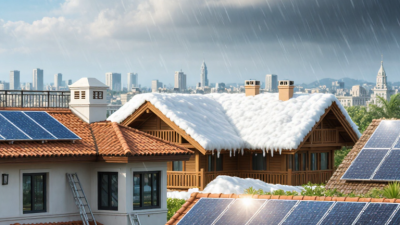
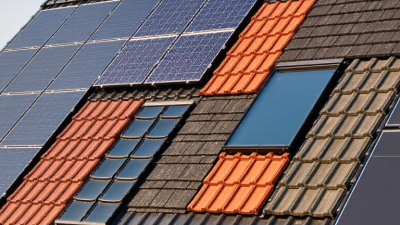
China’s solar industry has moved beyond standard rooftop modules. It now includes building-integrated photovoltaic products, including solar panel roof tiles designed to resemble conventional roofing.
The market context is substantial. IRENA’s Renewable Capacity Statistics 2024 reported 1,419 GW of global solar capacity by the end of 2023. Solar added approximately 345 GW during that year. This growth supports stronger demand for attractive, space-efficient rooftop systems.
But appearance is not enough.
A credible manufacturer must demonstrate electrical performance, weather resistance, fire safety, installation guidance, and long-term warranty support. The IEA Photovoltaic Power Systems Programme also emphasizes reliable quality assurance, system integration, and lifecycle performance across photovoltaic markets. These factors matter when roof tiles face heat, rain, wind, dust, and repeated temperature changes.
This guide examines China’s top 10 solar panel roof tiles manufacturers through a practical purchasing lens. It considers product design, conversion efficiency, certification, production capability, customization, export experience, and after-sales service. Factory scale alone can mislead. A large supplier may not have deep experience with tile-based integration.
The ranking should therefore be viewed as a research starting point, not an absolute verdict. Project requirements vary. Local building codes, roof structure, installer expertise, and grid conditions can change the best choice. Some product claims also require closer verification through test reports and independent documentation.
That is the less glamorous truth.
Buyers should compare tested specifications rather than attractive brochures. This approach can help architects, distributors, developers, and homeowners identify manufacturers capable of delivering dependable solar panel roof tiles for real-world projects.
What Are Solar Panel Roof Tiles and How Do They Work?
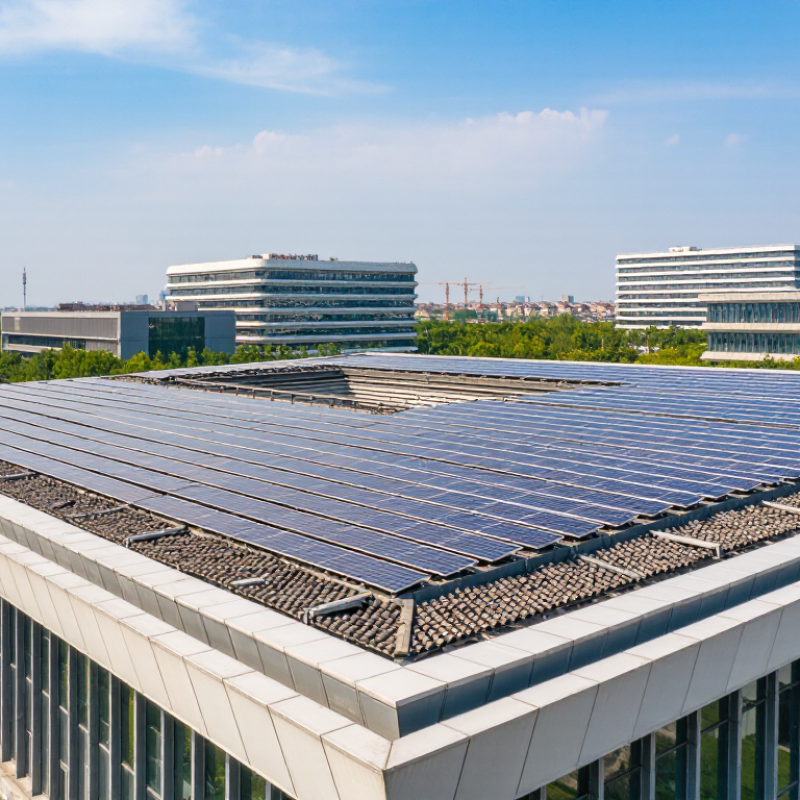
Solar panel roof tiles combine roofing materials with photovoltaic cells. They replace selected roof shingles instead of sitting above them on separate frames. Sunlight reaches the cells and creates direct-current electricity. An inverter then changes it into usable alternating current for household appliances.
The tiles connect through concealed wiring beneath the roof surface. Their output depends on sunlight, roof direction, shading, temperature, and installation quality. A south-facing roof often performs well, but local conditions matter more than simple assumptions. In my experience, careful roof measurements prevent expensive redesigns. Still, tiled systems may produce less power than larger conventional panels. Their appearance is attractive, yet aesthetics should not hide performance limits. Energy estimates should use verified specifications and a site assessment.
Tips: Check the roof’s age before installation. A roof needing replacement can make tile installation wasteful. Ask for test results, fire ratings, weather resistance, warranty terms, and expected annual output. Inspect the wiring plan and maintenance access, too. Small shadows from chimneys can reduce production noticeably. Battery storage may improve evening use, but it adds cost and equipment. The best choice depends on roof condition, household demand, local sunlight, and budget. Estimates can be imperfect, so leave room for seasonal changes.
Solar Roof Tiles: Estimated Annual Electricity Output by System Size
Solar roof tiles integrate photovoltaic cells into roofing materials. The cells convert sunlight into direct-current electricity, which an inverter converts into alternating-current electricity for household use. This chart uses a representative solar yield of 1,200 kWh per installed kW per year; actual output varies with location, roof orientation, shading, weather, and system losses.
How to Evaluate Chinese Solar Roof Tile Manufacturers
How to Evaluate Chinese Solar Roof Tile Manufacturers
Choosing among China’s top solar roof tile manufacturers requires more than comparing wattage and price. A reliable supplier should explain cell technology, tile dimensions, load ratings, fire performance, and installation methods clearly. Request current test reports from recognized laboratories, not screenshots or undated files. Check whether the factory controls lamination, framing, and electrical testing internally. A production visit, virtual or physical, can reveal cleanliness, process discipline, and traceability. It may not reveal everything.
Tips: Ask for three recent project references. Inspect samples after heat, moisture, and shading tests. Confirm replacement procedures before signing.
Professional evaluation includes the complete roof system, not only the panel. Review drainage details, cable routes, mounting tolerances, wind exposure, and maintenance access with an experienced installer. Compare warranty wording carefully. Product warranties, power guarantees, exclusions, response times, and spare-part policies can differ sharply. Verify company registration, export history, insurance, and technical support through independent records. A capable manufacturer should provide drawings, load calculations, and installation training. Communication matters when a cracked tile appears months later. Cheap offers sometimes hide custom tooling, weak packaging, or unclear responsibility. Attractive samples may not represent routine production, so inspect random batches and document every promise.
China’s Top 10 Solar Panel Roof Tile Manufacturers
China’s Top 10 Solar Panel Roof Tile Manufacturers
China’s solar roof tile sector is expanding with the wider photovoltaic market. IRENA reported that China added about 216.9 GW of solar capacity in 2023. Global additions reached roughly 346 GW that year. These figures show strong manufacturing depth, but they do not prove every roof tile supplier is equally reliable.
A practical top-ten review should examine production experience, IEC 61215 and IEC 61730 testing, fire performance, hail resistance, and wind-load records. The best manufacturers should provide traceable serial numbers, clear degradation warranties, and verified factory audits. Roof tiles also need accurate roof integration. Poor alignment can create water paths, uneven temperatures, and difficult maintenance. I may be too cautious, but attractive designs alone are not enough.
Tips: Request independent test reports, not only brochures. Check power output under low-light conditions and compare installation manuals. Ask for replacement procedures and local technical support. The IEA PVPS reports that distributed solar is growing rapidly, yet rooftop performance still depends heavily on installation quality. A manufacturer with strong laboratory results may still underperform when connectors, flashing, or drainage are poorly designed. That detail is often overlooked.
Technology, Design, Efficiency, and Warranty Comparison
China’s top ten solar roof-tile manufacturers should be compared through technology, design, efficiency, and warranty terms.
A factory visit or installation review often reveals more than a product brochure. Inspectors should check tile dimensions, wiring routes, ventilation gaps, roof pitch, and replacement access. Small details matter.
IEA PVPS Trends 2024 reports that global photovoltaic capacity exceeded 1.6 terawatts by the end of 2023.
This scale increases pressure for dependable building-integrated products. Compare cell architecture, power tolerance, temperature coefficient, and shading behavior. NREL research commonly reports crystalline-silicon degradation near 0.5% annually, but roof tiles may perform differently because airflow is restricted. Efficiency figures alone can mislead. A cooler roof usually produces more energy.
Warranty comparison needs careful reading.
Check product coverage, performance guarantees, permitted installation conditions, claim procedures, and labor exclusions. Many suppliers advertise 10–15 years of product protection and 25–30 years of output coverage, yet the wording varies sharply. IEC 61215 and IEC 61730 testing supports durability and safety evaluation, but certification does not guarantee every roof installation. The comparison is not perfectly clean. Long-term field data for newer solar tiles remains limited. Independent monitoring, documented failure rates, and service response times deserve equal weight. A beautiful tile that is difficult to replace can become an expensive design mistake.
How to Select the Right Chinese Solar Roof Tile Supplier
How to Select the Right Chinese Solar Roof Tile Supplier
China’s solar roof tile sector is expanding with the broader photovoltaic market. The International Energy Agency reported about 420 GW of global solar capacity additions in 2023. However, fast growth does not guarantee consistent product quality. Buyers should examine factory experience, production records, and export history before comparing quotations.
Request test reports for electrical safety, fire performance, wind resistance, hail impact, and waterproofing. IEC 61215 and IEC 61730 compliance provides a useful technical baseline for photovoltaic modules. Roof tiles also need building-material evidence, not only panel certificates. Check whether testing covers the complete tile assembly, including connectors, backing layers, and installation fixtures. Small details matter.
Ask for a sample roof section. Inspect its alignment, drainage path, cable sealing, and replacement method. A serious supplier should provide installation drawings, loading data, warranty terms, and traceable batch numbers. IRENA’s Renewable Capacity Statistics 2024 recorded 346 GW of new solar capacity worldwide in 2023, increasing pressure on manufacturers and supply chains. That pressure can create rushed inspections. I would also verify raw-material sources, production capacity, and quality-control records through an independent audit. Price remains important, but the cheapest tile may hide higher labor and maintenance costs. My own caution is simple: certificates can look convincing while actual roof integration remains weak. Ask difficult questions, and keep written answers.