10 Best PV Tiles for Homes and Businesses?
Solar roofing has moved from a niche experiment into a serious design option for homes, offices, and commercial buildings. IEA PVPS reported that global photovoltaic capacity reached approximately 1.6 terawatts by the end of 2023. Solar PV added about 456 gigawatts that year. The market is expanding quickly.
Yet conventional panels still dominate most installations. PV tiles offer a different proposition. They replace or integrate with roofing materials, creating cleaner sightlines and better architectural continuity. Tesla co-founder Elon Musk described this vision during the 2016 Solar Roof launch: “It looks like a normal roof, but it is a solar roof.”
That sounds simple. It is not.
A useful comparison must examine more than rated wattage. Roof geometry, shading, ventilation, installation skill, fire performance, warranty terms, and replacement costs all matter. IRENA reported that solar power represented the largest share of new renewable capacity added globally in 2023. However, fast growth does not guarantee that every solar tile suits every building.
This guide evaluates ten leading pv tiles for residential and business applications. It considers documented efficiency, durability, appearance, system compatibility, and long-term service support. Manufacturer claims are compared with available industry evidence, including IEA PVPS research and public technical documentation. Some products look impressive on paper but remain expensive or difficult to source. That weakness deserves attention.
Performance can vary. Real roofs are rarely perfect.
The strongest choice may not be the most powerful tile. It may be the product that balances energy yield, roof protection, installation quality, and future maintenance.
What Are PV Tiles and How Do They Work?
10 Best PV Tiles for Homes and Businesses?
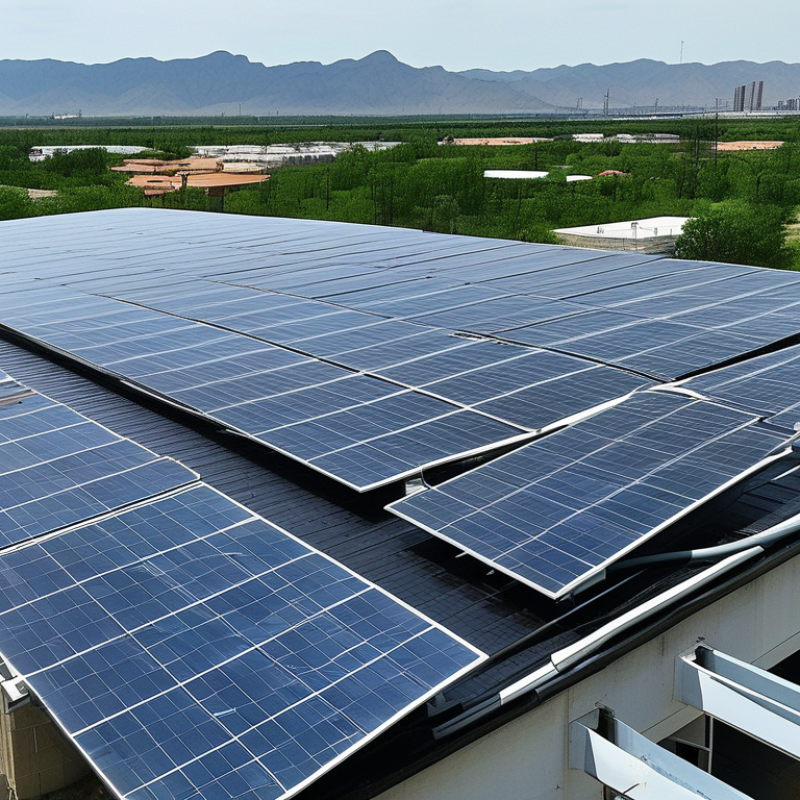
PV tiles, also called solar shingles, are photovoltaic modules designed to replace or cover ordinary roofing materials. They contain solar cells, usually made from silicon, which convert sunlight into direct-current electricity. An inverter then changes this electricity into alternating current for household appliances, offices, or battery storage.
The roof becomes an energy-producing surface. It is quiet.
From installation experience, roof geometry matters greatly. Complex valleys, dormers, and heavy shading can reduce energy production and increase labor costs. A qualified installer should check roof direction, pitch, ventilation, structural strength, and electrical access before recommending PV tiles.
Shade is especially unforgiving. Even a nearby chimney can affect daily output.
PV tiles often provide a cleaner appearance than raised solar panels, especially on visible residential roofs. However, their energy yield, repair process, and initial cost can differ from conventional roofing systems. High temperatures, dust, snow, and poor airflow may also reduce performance.
Reliable products should have documented efficiency tests, weather resistance ratings, electrical safety certification, and clear warranty terms.
Business owners should review roof-area limits and daytime electricity demand before installation. A battery may help, but it adds expense and maintenance.
PV tiles are not magic shingles. Real roofs are imperfect, so a careful site assessment remains more valuable than attractive product images.
Key Factors for Evaluating PV Tiles
10 Best PV Tiles for Homes and Businesses?
Key Factors for Evaluating PV Tiles
Evaluating PV tiles starts with real roof conditions, not attractive product images. Check roof pitch, orientation, shading, ventilation, and structural strength before comparing prices. A north-facing roof may produce less power than expected. Nearby trees can also reduce daily output.
Electrical performance matters, but it is not the only measure. Compare rated power, efficiency, temperature behavior, and expected degradation over time. Ask for independent test reports and clear installation instructions. In hot climates, lower temperature losses can improve annual production. In snowy or coastal areas, wind, moisture, and salt resistance deserve close attention.
Safety and service quality should influence every decision. Verify compliance with applicable electrical, fire, and building standards. Use qualified installers who can document roof penetrations, wiring routes, and system testing. Examine the warranty terms carefully, including labor coverage and replacement procedures. Monitoring software can reveal an underperforming section early. It is useful, not magical.
Cost comparisons should include scaffolding, roof repairs, inverters, maintenance, and future replacement work. A lower purchase price may create higher lifetime expenses. I would not trust unusually precise savings promises without local weather and energy data. No evaluation method is perfect. Even experienced reviewers can underestimate repair complexity on older roofs. A small sample installation may expose practical problems before a full project begins.
10 Best PV Tiles for Homes and Businesses
10 Best PV Tiles for Homes and Businesses?
The ten best PV tiles depend on roof geometry, climate, budget, and appearance. A practical shortlist includes ceramic-look, slate-look, flat, curved, metal-integrated, glass, lightweight, high-temperature, shaded-roof, and commercial-load tiles. Each option must balance power output with weather resistance and installation complexity.
The International Renewable Energy Agency reported about 1,419 GW of global solar capacity by the end of 2023. That scale shows strong industry maturity, but PV tiles still need careful site testing.
The NREL degradation study found a median photovoltaic degradation rate near 0.5% per year.
Ask for tested warranties, measured temperature coefficients, fire ratings, wind resistance, and independent performance data. A beautiful tile with poor ventilation may produce less energy on a hot afternoon. I would not call any design universally best.
Tips: Request a roof-by-roof energy model, not a brochure estimate. Check annual sunlight, shadows from chimneys, drainage paths, and replacement procedures. For businesses, compare tile output with peak daytime demand and battery needs. Fraunhofer ISE’s Photovoltaics Report shows continuing efficiency gains across solar technology, yet real roofs rarely match laboratory conditions. Leave space for maintenance. Small installation mistakes matter.
PV Tile Performance, Cost, and Durability Comparison
Choosing among the 10 best PV tiles requires more than checking peak wattage. Performance depends on roof orientation, shading, ventilation, and tile spacing. The IEA PVPS Trends 2024 report recorded more than 440 gigawatts of new solar capacity worldwide, showing strong market maturity. However, PV tiles remain a specialized building-integrated solution, not a simple replacement for standard panels.
NREL’s PV Lifetime Project reports a median crystalline-silicon degradation rate of about 0.5% per year. That equals roughly 90% retained output after 20 years, before local weather effects. PV tiles can perform well, but smaller cells and restricted airflow may increase operating temperatures. Heat matters. Every roof behaves differently.
Cost is harder to compare. IEA PVPS Task 15 reports that building-integrated systems depend heavily on design, installation, and construction complexity. A tile roof may reduce visible hardware, yet labor can rise because installers handle roofing and electrical work together. Fraunhofer ISE’s Photovoltaics Report 2024 shows leading conventional modules exceeding 20% efficiency, while tile layouts often sacrifice some area efficiency for appearance. Durability also needs scrutiny: ask for hail, wind, fire, waterproofing, and degradation test data. The weak point may be the roof seal, not the solar cell. Some published comparisons still rely on limited long-term field evidence, so confident claims deserve careful review.
How to Select and Install the Right PV Tiles
Selecting PV tiles starts with the roof, not the product brochure. Check roof age, slope, orientation, shading, and usable area. A south-facing roof usually receives more sunlight in the Northern Hemisphere, but local conditions matter. According to IEA PVPS Trends 2024, global photovoltaic capacity exceeded 1.6 terawatts by the end of 2023. This growth does not make every roof suitable for PV tiles. Tile systems often have lower airflow than raised panels, so heat can reduce output. Ask for tested power ratings, temperature coefficients, fire classification, wind resistance, and waterproofing details. Confirm compatibility with the inverter, battery, and monitoring system.
Installation requires careful roof integration. A qualified installer should inspect the structure before removing tiles. They should use approved flashing, preserve drainage paths, and protect cable routes from abrasion. Electrical testing should include insulation resistance, grounding, polarity, and commissioning records. IEC 61215 and IEC 61730 certification can support product reliability, but certification does not replace a site inspection. The IEA PVPS report also shows how quickly solar deployment is expanding; quality control must expand with it. I would not select the highest-rated tile automatically. A slightly less powerful tile may perform better on a shaded, complex roof.
Tips: Request a layout showing shaded areas and annual yield. Compare output per usable square metre, not only peak watts. Keep spare tiles for future repairs. Review the installer’s completed projects and warranty response process. Small details matter. A beautiful roof can still produce disappointing energy.
| No. | PV Tile Configuration | Rated Power per Tile | Typical Module Efficiency | Approximate Tile Size | Weight | Temperature Coefficient | Electrical Protection | Best Application | Selection and Installation Considerations |
|---|---|---|---|---|---|---|---|---|---|
| 1 | High-efficiency monocrystalline solar shingle | 120–180 W | 19–23% | 1,700 × 430 mm | 7–10 kg | −0.30 to −0.36%/°C | Typically IP67-rated junctions; bypass-diode protection | Space-limited residential roofs | Choose when roof area is limited and maximum energy yield per square metre is important. Install on a structurally sound, well-ventilated roof with compatible flashing and drainage details. |
| 2 | Standard monocrystalline interlocking PV tile | 50–100 W | 17–21% | 700 × 400 mm | 4–7 kg | −0.35 to −0.40%/°C | Outdoor-rated connectors and sealed cable paths | New-build homes and roof renovations | A balanced option for ordinary pitched roofs. Confirm tile overlap, batten spacing, roof pitch, wind zone, and the manufacturer’s approved waterproofing method before installation. |
| 3 | Low-profile solar roof shingle | 45–75 W | 16–20% | 1,000 × 350 mm | 3–5 kg | −0.35 to −0.42%/°C | Encapsulated wiring; moisture-resistant connectors | Residential roofs requiring a discreet appearance | Suitable where visual integration is a priority. Use only with an approved underlayment and maintain the required ventilation gap to reduce heat buildup beneath the shingles. |
| 4 | Large-format monocrystalline PV tile | 150–220 W | 19–22% | 1,800 × 600 mm | 9–13 kg | −0.30 to −0.36%/°C | IP65–IP68-rated connection system | Large residential roofs and low-rise commercial buildings | Reduces the number of electrical connections and installation points. Check handling access, roof loading, wind uplift, and the maximum permitted string voltage. |
| 5 | Flexible thin-film PV roofing tile | 30–80 W | 10–16% | 1,200 × 500 mm | 1.5–4 kg | −0.20 to −0.30%/°C | Sealed lamination; low-voltage cable assemblies | Lightweight roofs and buildings with structural limitations | Useful where roof weight is a concern or the surface is slightly curved. Verify the minimum bend radius, adhesive compatibility, fire classification, and surface temperature limits. |
| 6 | Textured or dark-finish architectural PV tile | 45–90 W | 15–19% | 700 × 400 mm | 4–8 kg | −0.35 to −0.42%/°C | Weather-resistant connectors; grounded metal frame or clips | Design-focused residential projects | Select when appearance and roof integration are as important as output. Inspect color consistency, shadow tolerance, cleaning access, and compatibility with neighboring non-PV tiles. |
| 7 | Bifacial PV tile for reflective roof surfaces | 100–180 W front-side rating | 18–22% | 1,600 × 500 mm | 8–12 kg | −0.30 to −0.36%/°C | IP67-rated junction boxes; rear-side cable protection | Bright roofs, canopies, and elevated commercial applications | Additional rear-side energy depends on reflected light and installation clearance. Avoid sealing the rear surface against the roof and confirm that the racking system supports bifacial operation. |
| 8 | High-wind-rated PV tile system | 80–160 W | 17–21% | 1,000 × 450 mm | 6–10 kg | −0.35 to −0.40%/°C | Reinforced mounting points; sealed outdoor connectors | Coastal, exposed, or high-wind locations | Prioritize certified wind-load resistance, corrosion-resistant fasteners, and correct edge-zone fixing. A site-specific structural and wind assessment should be completed before installation. |
| 9 | Commercial interlocking PV roofing tile | 100–200 W | 18–22% | 1,600 × 500 mm | 8–12 kg | −0.30 to −0.38%/°C | IP65–IP68-rated junctions; rapid shutdown where required | Offices, retail buildings, workshops, and warehouses | Evaluate total installed cost, access for maintenance, inverter sizing, fire separation, and cable routes. Plan roof zones around skylights, HVAC equipment, drains, and service walkways. |
| 10 | Integrated PV tile with energy-monitoring compatibility | 60–150 W | 17–21% | 900 × 450 mm | 5–9 kg | −0.32 to −0.40%/°C | Module-level monitoring or optimizer-ready architecture | Roofs with partial shading or multiple orientations | Useful when roof sections experience different shading conditions. Confirm compatibility among tiles, optimizers, inverters, monitoring equipment, and local rapid-shutdown requirements. |
Related Posts
-
Top PV Tiles for Global Buyers What You Need to Know
-
2026 Best Solar Panel Roof Tiles for Sustainable Energy Solutions?
-
Understanding Issues with pv tiles in Modern Construction
-
What Are the 2026 Best Solar Tiles?
-
Top 5 Benefits of PV Roof Tiles for Sustainable Energy Solutions
-
Top Tips for Choosing Solar Roof Tiles for Your Home?