What Are the 2026 Best Solar Tiles?
Choosing the 2026 best solar tiles is not as simple as comparing wattage or glossy product images. Roof shape, climate, installation quality, warranty terms, and local energy prices can change the result. A tile performing well in sunny Arizona may struggle to justify its cost in cloudy Manchester. That matters.
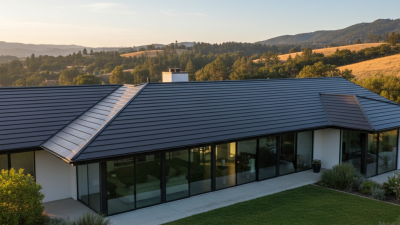
Elon Musk once described Tesla’s concept plainly: “It is not just a solar panel on a roof. It is the roof.” His statement captures the central appeal of solar tiles: they combine weather protection with electricity generation. However, appearance alone does not prove value. Buyers should examine efficiency, usable roof coverage, backup compatibility, degradation rates, fire ratings, repair procedures, and installer experience. A beautiful roof can still produce disappointing energy.
This guide evaluates leading solar tiles through practical evidence, not marketing language. It considers how each system handles shaded sections, steep pitches, winter conditions, and damaged individual units. Installation photos, production monitoring, and independent warranty documents can reveal more than a showroom demonstration. Some products remain expensive. Some have limited installer networks. These weaknesses deserve attention.
There is no universal winner. The best solar tiles depend on your roof, budget, electricity demand, and patience for emerging technology. A careful decision may feel slower, but replacing a roof is rarely a small commitment. Expect trade-offs. Reflect before signing.
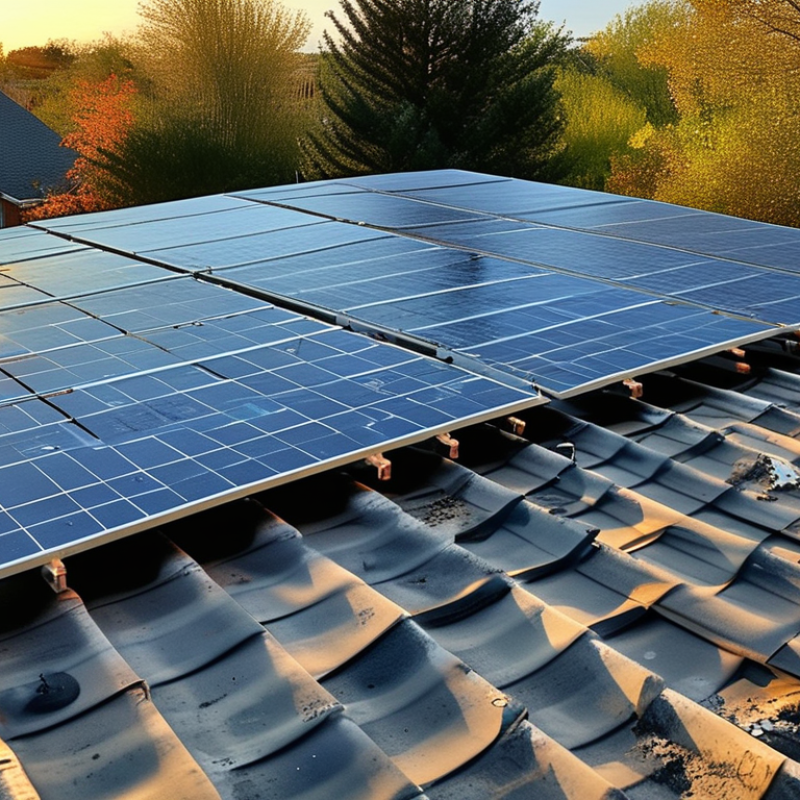
Solar Tiles Explained: PV Integration, Efficiency, and Roof Compatibility
The best solar tiles in 2026 should be judged by integration, not appearance alone. Each tile combines photovoltaic cells with a weatherproof roofing surface. This design can create a cleaner roofline than conventional panels. However, the usable output depends on cell efficiency, roof direction, shading, and local climate.
PV integration also affects installation quality. Wiring must remain protected beneath or alongside the roof covering. Ventilation gaps, flashing, and drainage paths need careful planning. Experienced installers inspect the roof structure before discussing energy estimates. A visually attractive tile cannot correct weak rafters or poor sunlight exposure. That assumption can be wrong.
Roof compatibility is equally important. Solar tiles may suit new construction or major roof replacement better than a small retrofit. Roof pitch, tile layout, wind exposure, and repair access all influence the decision. Efficiency figures usually come from controlled testing, so real-world production may be lower. Dust, snow, nearby trees, and high temperatures can reduce performance. Energy simulations should use site-specific measurements, not optimistic averages. Building and electrical requirements also vary by location.
A practical weakness remains. Integrated tiles can be harder to repair because the roofing and electrical systems overlap. Replacement may require trained technicians and compatible materials. My assessment would stay provisional until a qualified professional checks the roof, sunlight pattern, drainage, and future maintenance needs. A “best” solar tile is therefore the one that fits the building reliably, not simply the one with the highest laboratory rating.
What Are the 2026 Best Solar Tiles? - Solar Tiles Explained: PV Integration, Efficiency, and Roof Compatibility
| Solar Tile Category | PV Integration Method | Typical Module Efficiency | Typical Power Density | Roof Compatibility | Best Installation Conditions | Main Advantages | Main Limitations | 2026 Suitability |
|---|---|---|---|---|---|---|---|---|
| Monocrystalline silicon solar shingles | Photovoltaic cells are assembled into shingle-sized units that replace or overlay conventional asphalt shingles. | Approximately 18%–23% | Approximately 150–220 W/m² of active PV area | Most compatible with asphalt-shingle roof designs; requires suitable roof pitch, flashing, and underlayment. | New construction or full roof replacement where a uniform appearance is important. | High efficiency for a roof-integrated product; familiar roof appearance; good use of available roof area. | Installation is more specialized than standard roofing; shaded roof sections reduce energy output. | Strong all-around option for maximum energy production from an integrated roof. |
| Monocrystalline glass solar tiles | PV cells are sealed beneath tempered or reinforced glass designed to function as visible roof tiles. | Approximately 18%–22% | Approximately 140–210 W/m² of active PV area | Best for roofs designed around the tile format; compatibility depends on tile dimensions, battens, flashing, and structural detailing. | New builds or major renovations that prioritize a glass-like architectural finish. | Durable surface; consistent appearance; can combine weather protection with electricity generation. | Higher design and installation complexity; replacement may require matching the specific tile format. | Well suited to premium architectural projects with a compatible roof structure. |
| Thin-film solar tiles | Thin-film semiconductor layers are integrated into flexible or rigid tile-like roofing materials. | Approximately 10%–16% | Approximately 80–160 W/m² of active PV area | Can suit lightweight or curved surfaces, subject to the product’s bend radius, attachment method, and roof membrane requirements. | Lightweight roofs, low-load structures, or designs where conformability is more important than peak efficiency. | Lower weight; better tolerance for some diffuse-light conditions; potential design flexibility. | Usually requires more roof area for the same energy output; lower rated efficiency than crystalline silicon. | Useful where roof weight, curvature, or appearance limits conventional crystalline designs. |
| Solar slate-style tiles | Small photovoltaic units are arranged to imitate natural slate courses while providing an active roof surface. | Approximately 16%–21% | Approximately 120–190 W/m² of active PV area | Suitable only where the roof framing, pitch, drainage, and detailing support slate-like installation. | Heritage-style, high-end residential, or visually sensitive projects. | Integrates with traditional roof aesthetics; can preserve the visual rhythm of slate roofing. | Irregular roof geometry and non-PV areas can reduce usable generation; specialist installation may be required. | A strong visual-fit choice when appearance and planning requirements are decisive. |
| Solar metal-roof tiles or standing-seam-integrated PV | PV laminates or small modules are mounted within or directly onto metal roofing profiles. | Approximately 17%–22% | Approximately 130–210 W/m² of active PV area | Compatible with selected metal roof profiles; electrical bonding, corrosion control, and expansion detailing are important. | Metal-roof construction, lightweight buildings, and roofs with long, unobstructed planes. | Lightweight; durable roof substrate; efficient installation on suitable metal systems. | Not universally compatible with every metal profile; thermal movement and penetrations need careful design. | A practical choice for compatible metal roofs where low structural weight matters. |
| Solar clay- or concrete-tile replacement units | PV units replace selected conventional tiles while remaining within a tiled roof layout. | Approximately 15%–20% | Approximately 110–180 W/m² of active PV area | Works best with matching tile dimensions, roof battens, underlayment, hooks, and flashing systems. | Tile-roof renovations or new construction where retaining a tiled appearance is a priority. | Blends with tiled roofs; allows non-PV tiles to remain on shaded or unsuitable sections. | Small tile size can create more electrical connections; spacing and roof geometry may reduce active area. | Best for preserving a traditional tile appearance while adding targeted PV coverage. |
| Building-integrated photovoltaic roof membrane | Flexible photovoltaic laminates are bonded or mechanically fixed as part of a waterproof roof membrane system. | Approximately 10%–18% | Approximately 80–170 W/m² of active PV area | Most suitable for low-slope roofs or membrane-compatible roof assemblies; not a direct substitute for every pitched tile roof. | Commercial, industrial, or lightweight low-slope roofs with large uninterrupted surfaces. | Low added weight; broad coverage; fewer individual tile interfaces across large roof areas. | Usually less tile-like in appearance; membrane service life and repair procedures must be coordinated with the PV system. | Highly suitable for large low-slope roofs where weight and coverage are priorities. |
| Non-PV roofing tiles used with integrated solar sections | Standard roofing tiles cover non-generating areas while dedicated PV tiles are installed only on suitable roof sections. | Approximately 15%–22% for the PV sections | Approximately 110–210 W/m² of active PV area | Can accommodate complex roofs, dormers, valleys, and shaded sections more easily than fully active roofs. | Roof renovations with mixed orientations, partial shading, or limited energy demand. | Flexible layout; simpler maintenance of non-PV areas; potentially lower material use. | Overall roof power density is lower because some areas do not generate electricity. | Best for practical roof planning when only part of the roof is suitable for solar generation. |
Note: Efficiency and power-density figures are typical technology ranges rather than specifications for a particular product. Actual performance depends on cell design, temperature, orientation, tilt, shading, ventilation, roof layout, inverter losses, and installation quality. Solar tiles should be evaluated with local structural, electrical, fire, wind, snow, and roofing requirements.
Related Posts
-
Top Tips for Choosing Solar Roof Tiles for Your Home?
-
2026 Best Solar Panel Roof Tiles for Sustainable Energy Solutions?
-

What Makes Solar Panel Tiles a Smart Choice for Sustainable Energy Solutions
-
Top 5 Benefits of PV Roof Tiles for Sustainable Energy Solutions
-
2026 Best Solar Power Roof Tiles for Your Home?
-
Top PV Tiles for Global Buyers What You Need to Know