Top PV Tiles for Global Buyers What You Need to Know
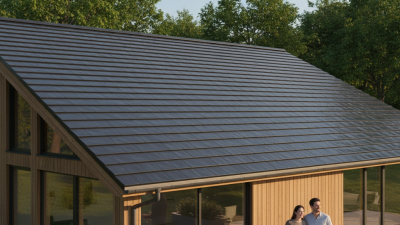
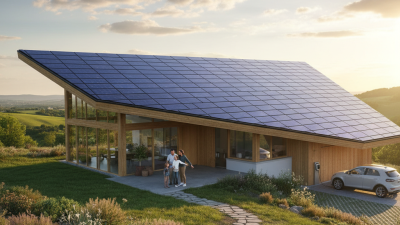
In the evolving landscape of renewable energy, PV tiles have emerged as a game-changer. These innovative products integrate seamlessly into building designs, offering aesthetic appeal while generating electricity. Understanding the market for PV tiles is essential for global buyers seeking efficiency and sustainability.
The popularity of PV tiles is spurred by their dual functionality. They serve as roofing materials and energy generators, a perfect blend for eco-conscious homeowners. However, not all PV tiles are created equal. Factors like durability, efficiency ratings, and installation methods vary greatly. Buyers must navigate these nuances to make informed choices.
With numerous brands and technologies available, it can be daunting to select the right product. Industry experts suggest researching specific offerings before committing. Reflecting on user experiences can provide invaluable insights. This guide aims to illuminate the complexities of the PV tile market, helping buyers make confident, informed decisions.
Top PV Tiles: An Overview of Types and Technologies
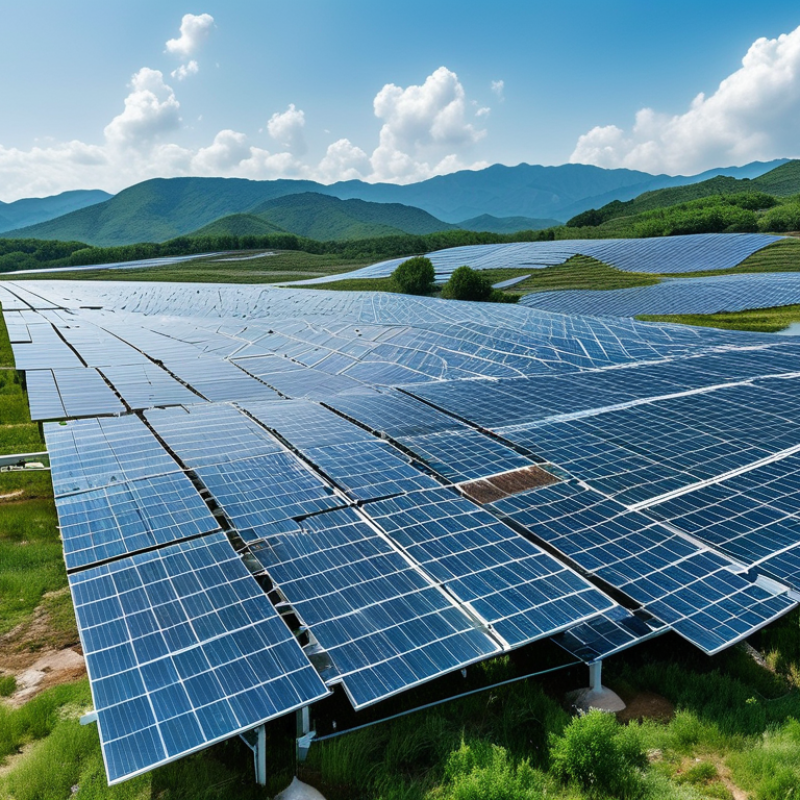
When choosing photovoltaic (PV) tiles, understanding the types and technologies is crucial. There are various categories: thin-film, crystalline silicon, and BIPV (Building-Integrated Photovoltaics). Thin-film panels are lightweight and flexible but often less efficient. Crystalline silicon tiles, on the other hand, offer higher energy output and durability. BIPV integrates seamlessly into building structures, serving dual purposes.
Efficiency can vary between technologies. For instance, crystalline tiles can reach above 20% efficiency, while thin-film may hover around 10-12%. This difference impacts energy production and long-term savings. However, reliance solely on efficiency numbers can be misleading. Installation conditions, angle, and sun exposure significantly affect performance. A well-placed less efficient tile can outperform a poorly placed high-efficiency one.
Investing in PV tiles also requires attention to certification and reliability. Look for products that meet international standards. This guarantees safety and performance to some degree. Choosing based merely on brand reputation often leads to oversight of product details. Reflecting on these factors ensures a more informed choice that aligns with specific needs, budget, and long-term goals.
Key Factors to Consider When Choosing PV Tiles
When it comes to selecting PV tiles, certain key factors can significantly influence the decision. Start by evaluating the material. Different materials offer varying efficiencies and durability. For instance, photovoltaic tiles can be made from solar cells embedded in glass, or from polymers. Understanding these differences is crucial in making an informed choice.
Next, consider the local climate. Weather can affect tile performance and longevity. Regions with heavy snowfall or frequent storms may require more robust options. Installation practices also matter. A poorly installed PV tile can lead to leaks or reduced energy output. Always consult professionals with experience in your specific environment.
Lastly, look into warranties offered by manufacturers. A longer warranty indicates confidence in the product's durability. However, scrutinize the terms carefully. Some warranties cover only certain types of damage. Choosing the right PV tiles isn't just about efficiency; it's also about understanding individual needs and potential long-term issues.
Market Trends and Innovations in PV Tile Manufacturing
As the photovoltaic (PV) market evolves, tile manufacturing is increasingly innovative. According to a recent report by the International Energy Agency, global solar PV capacity is expected to reach 4,200 GW by 2025. This growth highlights the demand for advanced materials that can efficiently harness solar energy.
PV tiles stand out as a versatile option, integrating seamlessly into building designs. Their aesthetic appeal is drawing interest from architects and builders alike.
The innovation in PV tile manufacturing focuses on durability and efficiency. A study by Solar Power World indicates that the average efficiency of solar tiles has improved significantly, climbing to over 20%. This is crucial for maximizing energy output in compact spaces. Moreover, manufacturers are experimenting with flexible photovoltaic technology, which allows tiles to be applied to varied surfaces. This flexibility is a game changer for urban environments.
However, challenges remain in the market. The production costs of high-efficiency tiles can be high, affecting affordability for consumers. Reports show that many buyers still seek more cost-effective options. As the industry strives for balance, manufacturers must also prioritize environmental sustainability in their processes. This focus on sustainability resonates with the growing consumer demand for green technologies. The PV tile market is undoubtedly at a pivotal point, with competitors needing to adapt to maintain relevance.
Global Suppliers: Where to Find Quality PV Tiles
As the demand for photovoltaic (PV) tiles increases globally, finding quality suppliers becomes essential. The International Energy Agency reported that solar capacity expanded by 23% in 2022, highlighting a trend emphasizing innovation and quality in solar technologies. Buyers should focus on regions with a strong market presence, such as Europe and Asia, known for leading advancements in PV tile production.
Understanding supplier reliability is crucial. The solar industry faces challenges like fluctuating material costs and supply chain disruptions. A report from Bloomberg New Energy Finance noted that the average price of solar modules has seen fluctuations of up to 30% in recent years. This impacts suppliers’ ability to deliver consistent quality. Conducting thorough research on suppliers and seeking reviews from previous customers can add an extra layer of assurance.
Additionally, considering manufacturers with certifications such as ISO 9001 can ensure you are purchasing high-quality products. Some reports indicate that certified products often outperform non-certified ones in performance tests. However, the ecosystem is not perfect. Issues arise with scalability and production consistency, even among reputable suppliers. Therefore, extensive due diligence is vital to navigating this complex market efficiently.
Top PV Tiles for Global Buyers
| Tile Type |
Efficiency (%) |
Warranty (Years) |
Price Range (USD) |
Manufacturer Location |
| Monocrystalline |
15-22 |
25 |
200-300 |
China |
| Polycrystalline |
13-18 |
25 |
150-250 |
Germany |
| Bifacial |
16-24 |
30 |
250-400 |
USA |
| Thin-Film |
10-12 |
20 |
100-200 |
Japan |
| PERC |
17-23 |
25 |
220-320 |
China |
Installation and Maintenance Tips for Optimal Performance
When it comes to PV tiles installation, choosing the right spot matters. A south-facing roof receives the most sunlight. Ensure there's no obstruction like trees or buildings. If your location has frequent shadows, the performance of your PV tiles can drop significantly. Consider site-specific factors carefully before proceeding.
Maintenance is essential for longevity. Regularly check your PV tiles for dirt and debris buildup. A simple rinse can enhance efficiency. Pay attention to the wiring and connections. Any wear can reduce performance. Ensure all components are functioning correctly. Skilled professionals should perform thorough inspections periodically.
Despite the quality of installation, issues may arise. Weather impacts may cause wear over time. Monitor the output closely. Sometimes the drop in performance isn’t immediately obvious. No system is perfect; understanding your system's intricacies can lead to better maintenance choices. Engaging with knowledgeable experts can enhance your overall experience.
Top PV Tiles for Global Buyers: Installation and Maintenance Tips for Optimal Performance
This chart illustrates the efficiency ratings of various types of photovoltaic (PV) tiles, highlighting their installation and maintenance requirements for optimal performance.