2026 Top Photovoltaic Tile Types for Global Buyers?
Photovoltaic tiles turn a roof surface into a power-generating system. Their appeal is clear: a dark, glassy tile can sit flush with neighboring roofing, rather than appearing as a separate panel. Yet appearance alone cannot guide a purchase. Buyers must compare output, roof compatibility, weather resistance, installation requirements, and replacement options.
The scale of solar power makes this comparison increasingly relevant. IRENA’s Renewable Capacity Statistics 2025 reports that global solar capacity reached about 1,865 gigawatts by the end of 2024. That figure covers solar power broadly, not tile installations specifically. The distinction matters. Data for photovoltaic tiles remains less consistent across markets, so buyers should treat product claims with care. At SolarCity’s 2016 Solar Roof unveiling, solar-industry executive Elon Musk said, “It’s not a thing on the roof. It is the roof.” The line captures the integrated design idea, but it does not settle questions about cost or long-term performance.
This guide compares leading types, including solar shingles, glass-glass tiles, and other building-integrated photovoltaic designs. Some use crystalline silicon; others use thin-film materials. Their appearance, efficiency, and installation needs differ. A tile that suits a new build may not suit an older roof. Small details matter: roof pitch, shade from a chimney, and access to replacement units can all affect the result. No type wins everywhere. The evidence is still uneven, and that deserves attention. Buyers should check test data, warranties, and local installer experience before choosing.
What Photovoltaic Tiles Are and How They Generate Power
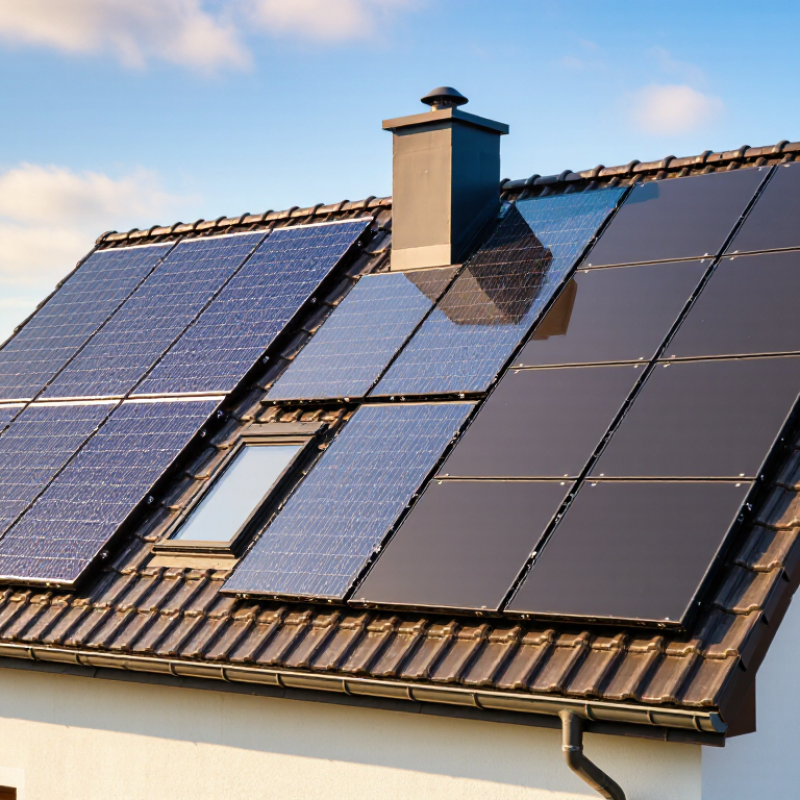
Photovoltaic tiles are roof coverings with solar cells built into their surface. They can replace some conventional roofing materials while generating electricity. Designs vary: some use small, rigid cell sections, while others integrate thin photovoltaic layers. The visible surface may resemble ordinary roof tiles, but construction details differ. Under sunlight, semiconductor cells absorb light and release electrons. This movement creates direct-current electricity. A power inverter then converts it into alternating current for household use. The process is quiet. No moving parts are needed.
Performance depends on more than the tile itself. Roof angle, direction, temperature, and nearby shade all affect output. A chimney’s shadow can reduce generation across part of an array, even on a bright afternoon. System wiring and inverter capacity also influence how much power reaches the home. Before installation, a qualified professional should assess roof structure, drainage, ventilation, and electrical connections. These details are easy to overlook. Photovoltaic tiles may produce less electricity per roof area than some conventional panels, and results vary by product and site. That trade-off deserves an honest calculation, not a guess.
2026 Top Photovoltaic Tile Types for Global Buyers: How They Generate Power
Photovoltaic tiles convert sunlight into direct-current electricity using photovoltaic cells. This chart compares illustrative power density by cell technology, calculated from representative conversion-efficiency assumptions at standard test irradiance.
How to read this chart: The estimates assume 1,000 W/m² irradiance under standard test conditions (STC): power density in W/m² equals irradiance multiplied by conversion efficiency. Actual tile output varies with product design, active cell area, temperature, shading, roof orientation, and installation.
Main Photovoltaic Tile Types Available in 2026
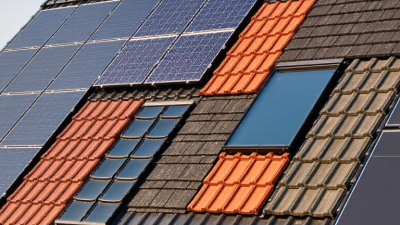
In 2026, photovoltaic roof tiles generally fall into four practical types: interlocking crystalline-silicon tiles, solar shingles, glass-based tiles, and flexible thin-film roofing. Interlocking tiles replace selected roof sections and connect in rows. Solar shingles are flatter, creating a more uniform roof surface. Glass-based versions can offer visible texture, but their weight and mounting details matter. Flexible products suit some curved surfaces; check their fire rating and expected service life.
The IEA PVPS Trends in Photovoltaic Applications 2024 report estimated that global PV capacity grew by about 456 GW in 2023. That figure covers photovoltaic systems broadly, not roof tiles specifically, but it shows the expanding market behind building-integrated solar. Buyers should compare tested power output, temperature performance, weather sealing, and replacement procedures. Ask for system-level yield estimates, not just the rated output of one tile.
Details matter. A roof with dormers, vents, and shaded valleys may produce less than a clean test layout suggests. Compatible inverters and access for repairs can also narrow the options. Product categories are not always clearly separated, and marketing names can obscure construction differences. Request module-level specifications and independent test documentation before comparing quotes.
Key Materials, Designs, and Performance Differences
Photovoltaic tiles vary by cell material, roof format, and how much of the tile surface captures light. Many use crystalline silicon cells sealed beneath tempered glass. They can deliver strong output per roof area, but need careful handling during installation. Ceramic and concrete-backed designs may blend more naturally with conventional roofing. Their weight and tile dimensions can affect roof structure and replacement work. Details matter.
Some systems use glass-glass construction for added protection against moisture, while flexible thin-film options can suit curved surfaces. Their power output per square metre is often lower, so compare usable roof area rather than appearance alone. Tile shape also affects airflow. Poor ventilation can raise cell temperatures and reduce performance.
Shading from chimneys or nearby trees may cut output more than buyers expect. Real roofs are messier. Ask for test data, weathering information, and installation guidance for the specific roof slope and climate. Product ratings do not predict every site. That assumption deserves a second look.
How Climate and Roof Design Affect Tile Selection
2026 Top Photovoltaic Tile Types for Global Buyers?
How Climate and Roof Design Affect Tile Selection
Climate can change which photovoltaic tile performs well on a roof. In hot regions, dark tiles with limited airflow may run hotter and lose output. NREL’s PVWatts documentation uses a temperature coefficient of −0.37% per °C for its standard crystalline-silicon module model. This is a modeling value, not a guarantee for every product. Still, it shows why ventilation and local heat deserve attention. That matters.
For coastal roofs, check salt exposure, wind uplift, and how tile edges shed water. In snowy areas, roof pitch and snow-load capacity can matter more than the tile’s appearance. A lightweight solar shingle may suit a roof with limited spare load capacity, while a heavier integrated tile needs a careful structural review. Ask for tested load and weather-resistance data, not only an attractive efficiency figure. Small details count.
Roof shape narrows the options. Complex hips, valleys, skylights, and narrow sections can leave gaps where standard tile layouts fit poorly. Measure usable roof area and confirm drainage paths before comparing products. For a simple, steep roof, integrated glass tiles may create a cleaner surface; on a shaded or irregular roof, another layout may yield more usable generation. These are tendencies, not rules. Even careful planning can miss a stubborn chimney shadow. I would check the roof on site before making a final choice.
What Global Buyers Should Compare Before Purchasing
Before choosing photovoltaic tiles, compare how each design handles both electricity generation and weather protection. Active glass tiles may suit clean, regular roof lines, while textured or curved options can blend with traditional profiles. Ask for output figures under stated test conditions, not just peak ratings. Small differences matter.
Check the roof beneath the sample. Measure usable area around vents, valleys, and skylights; a neat display tile may not fit every roof edge. Compare tile dimensions, mounting details, replacement access, and compatibility with the inverter and existing roof structure. Request installation guidance and relevant performance and safety documentation. Details count.
Climate and maintenance deserve equal attention. A coastal site, frequent snow, or strong summer heat can change what matters most. Review water-shedding design, load ratings, temperature behavior, cleaning needs, and warranty terms in writing. Also compare the full installed cost with expected energy output over time. One honest caveat: estimates depend on roof orientation, shading, and workmanship, so a sales projection is not a guarantee. Bring a roof plan and a few clear photos when requesting quotes. It makes comparison easier, though I would still verify the installer’s assumptions.