Top 10 Tips for Maintaining Your Lithium Battery Car?
Maintaining a Lithium Battery Car is crucial for longevity and performance. These vehicles are becoming more popular, but many owners overlook essential care tips. Battery life can degrade quickly if not properly maintained. Understanding basics can help maximize efficiency.
Regular charging is vital. Many drivers forget about charging habits. Keeping the battery between 20% and 80% can prolong its life. It's important to avoid deep discharges. Also, extreme temperatures can negatively impact battery health. Consider using a garage to protect your car from harsh weather.
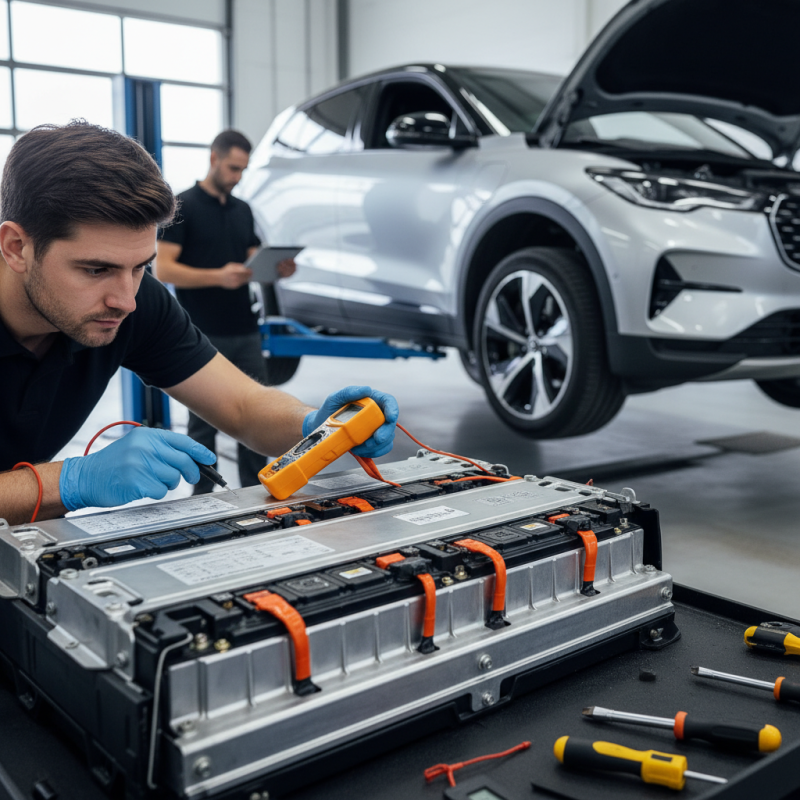
Professional inspections should not be ignored. Some problems are not immediately visible. Routine check-ups can catch issues early. Every small detail matters in ensuring your Lithium Battery Car runs smoothly. Reflecting on these practices can lead to better performance and fewer surprises down the road.
Understanding Lithium Battery Technology in Cars
Lithium batteries are becoming the backbone of electric vehicles. They are lightweight and efficient. Understanding their technology is key to using them properly. The core of lithium battery technology lies in its chemical composition. Lithium ions move between the anode and cathode during charging and discharging. This flow is what powers the vehicle.
However, this technology has its flaws. Lithium batteries degrade over time. Factors like temperature and usage patterns affect their lifespan. High temperatures can cause overheating. On the other hand, extreme cold can reduce capacity. Drivers need to be aware of this.
Charging habits also play a significant role. Frequent fast charging may reduce battery health. It’s crucial to use regular charging when possible. Investing in a good charging station can help. Regular maintenance checks can identify potential issues. Awareness and proactive care can extend battery life significantly.
Top 10 Tips for Maintaining Your Lithium Battery Car
| Tip Number | Maintenance Tip | Description | Frequency |
| 1 | Charge Regularly | Keep the battery charged between 20-80% to enhance lifespan. | Weekly |
| 2 | Avoid Deep Discharge | Don't let the battery drain to 0%, as it can cause damage. | Always |
| 3 | Use the Right Charger | Use the manufacturer-recommended charger for optimal performance. | Always |
| 4 | Keep Battery Cool | Avoid exposing the battery to extreme temperatures. | Seasonally |
| 5 | Monitor Battery Health | Regularly check the battery's health and state of charge. | Monthly |
| 6 | Limit High Discharge Rates | Avoid aggressive driving that requires heavy acceleration. | Always |
| 7 | Update Software | Keep your vehicle’s software up-to-date to ensure battery management efficiency. | Quarterly |
| 8 | Perform Regular Maintenance | Schedule maintenance checks to ensure all systems are functioning. | Annually |
| 9 | Inspect Connections | Check battery connections for corrosion or loose contacts. | Every 6 months |
| 10 | Use Battery Management Systems | Utilize technology that optimizes battery performance and longevity. | Always |
Regular Maintenance Practices for Longevity
Maintaining your lithium battery car requires consistent efforts. Regular check-ups are essential for identification of potential issues. Look for signs of corrosion on battery terminals. This can affect the performance and longevity of your vehicle. A simple cleaning with a baking soda solution can prevent larger issues.
Temperature control plays a vital role in battery health. Extreme heat or cold can lead to quicker degradation. Park your car in shaded areas during summer. In winter, try to keep it in a garage if possible. Sometimes, we forget how temperature impacts our driving experience.
Another area to consider is charging habits. Avoid letting your battery drop below 20%. Frequent deep discharges lead to stress on the battery. It’s also helpful to use a level 2 charger for regular charging. This can speed up the process and reduce time spent waiting. However, rushing through charging can sometimes overlook the best practices. Reflect on your habits; are you charging effectively? It is easy to overlook these practices in our busy lives, yet they are crucial.
Optimal Charging Habits for Lithium Batteries
Optimal charging habits are crucial for maximizing the lifespan of lithium batteries in electric vehicles. A study from the National Renewable Energy Laboratory indicates that consistent charging practices can significantly extend battery life. For instance, charging to only 80% capacity reduces stress on the cells. Many drivers are unaware that frequent full charges can accelerate wear.
It is also essential to avoid letting the battery drop below 20%. Lithium batteries can experience deeper discharges, leading to potential damage over time. Charging habits influence performance in cold weather. High charging rates in low temperatures can hinder battery efficiency. Drivers should seek to balance charging speed with battery health.
Monitoring charging cycles is vital. Most lithium batteries last about 500 to 1,500 cycles, depending on usage. Emptying and recharging daily can shorten this lifespan. Sometimes, it’s OK to let the battery sit partially charged. However, completely discharging can lead to issues. These nuances in charging practices highlight the need for a more informed approach to battery management.
Signs of Lithium Battery Wear and How to Address Them
Lithium batteries are essential for electric vehicles. However, they do degrade over time. Recognizing the signs of wear is crucial for maintaining their performance. One common sign is reduced range. If your car cannot travel as far on a full charge, the battery may be nearing its end.
Another sign is longer charging times. If you notice that topping off your battery takes significantly longer, it might be time for a battery check. Pitting or swelling of the battery can also indicate damage. These issues should not be ignored, as they can affect safety and performance.
To extend battery life, consider these tips. Regularly monitor your battery’s health through software. Keeping your charge levels between 20% to 80% can help. Avoid letting the battery drain completely, which stresses it. Finally, consider temperature control. Excess heat can accelerate wear, so park in shaded areas whenever possible.
Environmental Factors Affecting Lithium Battery Performance
Lithium batteries are sensitive to environmental factors. Temperature plays a critical role in their performance. High heat can accelerate battery degradation. Cold weather can reduce their efficiency. Maintaining the right temperature range is essential. Parking your car in a shaded area during hot days can help. In winter, consider a garage or covered space.
Battery performance also declines with humidity. Excess moisture can lead to corrosion over time. A dry environment is ideal for battery longevity. Regular checks for moisture accumulation are beneficial. Use a dehumidifier if parked indoors often.
To ensure optimal battery health, follow a few tips. Keep your battery charged between 20% and 80%. Deep discharges can harm it. Avoid extreme temperature exposures. Remember, overcharging can also affect longevity. Store your car in a stable environment when not in use. Regular maintenance checks are key to identifying potential issues early. The right care will maximize the lifespan of your lithium battery.