Why Solar Roof Shingles Are the Future of Sustainable Home Energy
As the climate crisis intensifies and the demand for sustainable energy solutions grows, solar roof shingles are swiftly emerging as a pivotal innovation in the green energy landscape. According to Dr. Emily Carter, a leading expert in renewable energy technology, “Solar roof shingles represent a remarkable convergence of functionality and aesthetics, making sustainable energy not just an option, but a desirable home feature.” This shift in perspective is reshaping how homeowners regard energy efficiency, allowing them to integrate renewable resources seamlessly into their living spaces.
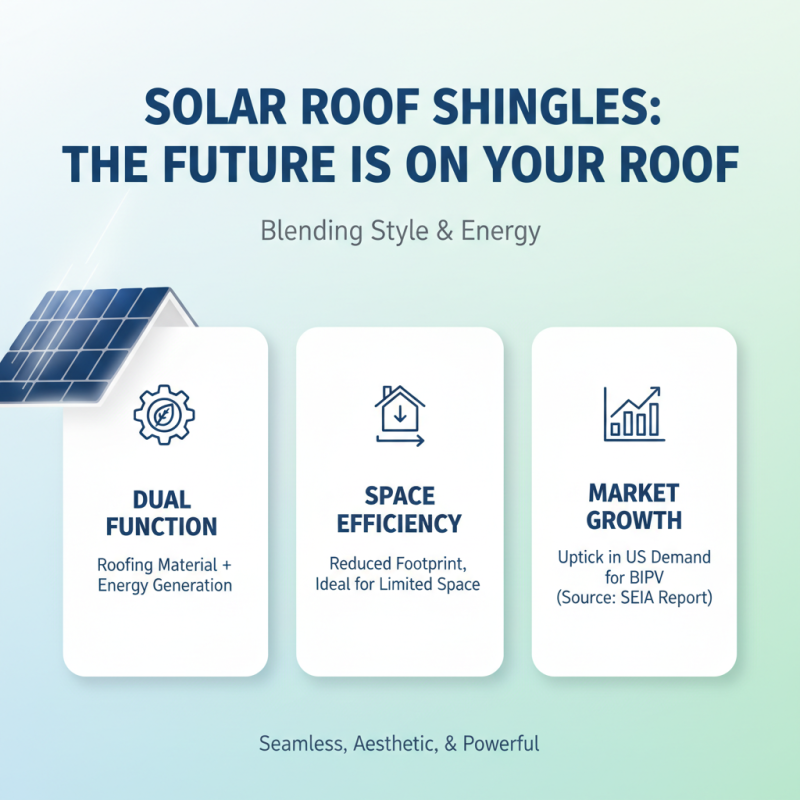
The advent of solar roof shingles offers a compelling alternative to traditional solar panels, combining energy production with the essential role of roofing. This dual functionality not only enhances property value but also contributes significantly to reducing carbon footprints. Homeowners are increasingly recognizing the potential of solar roof shingles to provide a sustainable and aesthetically pleasing solution to their energy needs. As more people become environmentally conscious, the shift towards solar roof shingles as a favored energy source will likely gain momentum, steering society towards a more sustainable future.
Advantages of Solar Roof Shingles Over Traditional Solar Panels
Solar roof shingles are rapidly emerging as a preferable alternative to traditional solar panels, driven by their blend of functionality and aesthetics. One of the key advantages of solar roof shingles is their dual function; they serve as both roofing material and energy generators. This integration reduces the overall footprint of solar installations, which can be particularly beneficial for homeowners with limited roof space. According to a report by the Solar Energy Industries Association, the U.S. solar market has seen a significant uptick in demand for building-integrated photovoltaics (BIPV), including solar shingles, as homeowners look for more seamless energy solutions.
In addition, solar roof shingles can enhance the value of a property. A study from the National Renewable Energy Laboratory indicated that homes equipped with solar energy systems, including roof shingles, can experience a price premium averaging around $15,000 compared to homes without such systems. This value increase is particularly appealing in real estate markets where sustainable features are highly sought after. Moreover, solar shingles typically offer better durability and warranty options than traditional panels, ensuring long-term performance and reducing maintenance costs. As a result, homeowners are increasingly viewing solar roof shingles not just as an energy solution, but as a worthwhile investment in the future of sustainable living.
How Solar Roof Shingles Integrate Seamlessly with Home Design
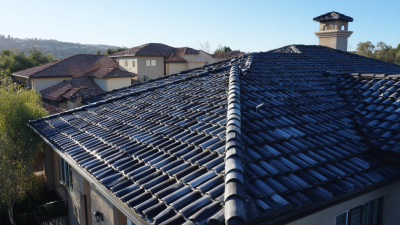
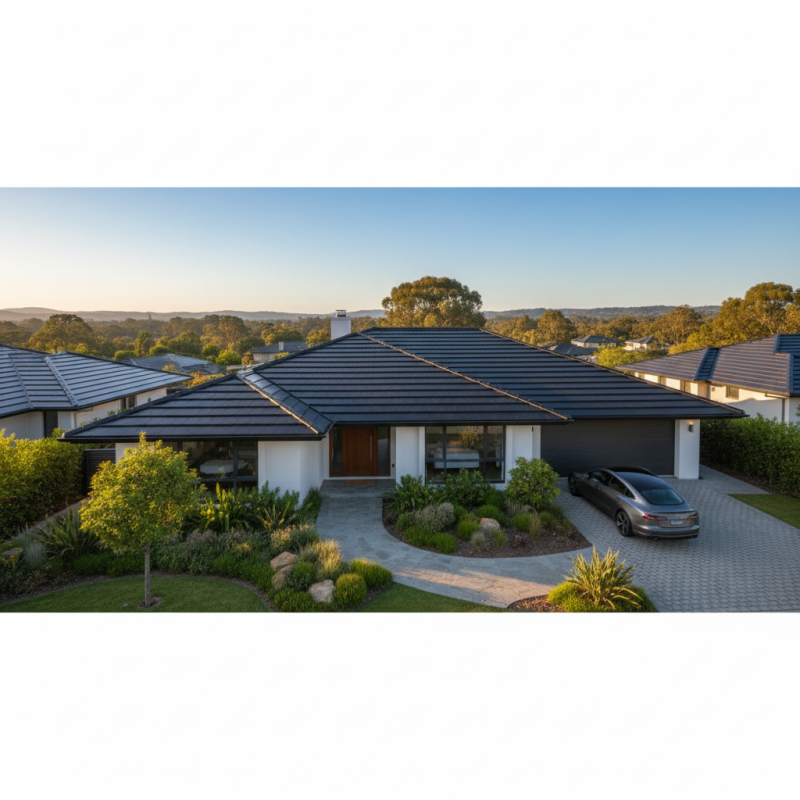
Solar roof shingles represent a significant evolution in sustainable energy solutions, seamlessly merging functionality with aesthetic appeal. Unlike traditional solar panels, which can disrupt the visual harmony of a home’s design, solar shingles are designed to integrate effortlessly with existing roofing materials. According to a 2022 report from the International Energy Agency, the adoption of building-integrated photovoltaics (BIPV) is projected to reach a market size of over $20 billion by 2030, underscoring the growing demand for energy-efficient and stylish home solutions.
The design versatility of solar roof shingles allows homeowners to choose from a variety of styles and colors, ensuring that their energy solution complements their architecture. This is particularly important as the National Renewable Energy Laboratory found that aesthetics is a major factor influencing the acceptance of solar technologies among consumers. Furthermore, with advancements in technology, modern solar shingles boast higher efficiency rates, often exceeding 20%, making them not only visually appealing but also highly effective in harnessing solar energy. As the push for sustainable living continues, the seamless integration of solar shingles into home designs will likely accelerate their adoption among environmentally conscious homeowners.
Energy Generation Comparison: Solar Roof Shingles vs. Traditional Roofs
The Environmental Impact of Using Solar Roof Shingles
The increasing awareness of climate change and the need for sustainable energy solutions have propelled solar roof shingles into the spotlight as a key innovation in residential energy generation. According to the U.S. Department of Energy, the adoption of solar energy could reduce greenhouse gas emissions by as much as 1.7 billion metric tons annually by 2030 if integrated into homes effectively. Solar roof shingles offer a dual function by providing energy generation while maintaining the aesthetics of traditional roofing materials, showcasing a blend of functionality and sustainability.
The environmental impact of using solar roof shingles is noteworthy. Research conducted by the National Renewable Energy Laboratory indicates that solar energy systems, including roof shingles, can significantly reduce household carbon footprints. For instance, a home equipped with solar energy can lower its reliance on fossil fuels, which contributes to air pollution and ecological degradation. Furthermore, the life cycle analysis of solar shingles reveals that their energy payback time—the time it takes to produce the energy used in their manufacture—is approximately 1 to 4 years, depending on geographic location. This efficiency suggests that the longer solar shingles remain on the roof, the greater their positive environmental impact, making them a viable option for sustainable energy in the modern home.
Why Solar Roof Shingles Are the Future of Sustainable Home Energy
| Dimension |
Value |
| Average Lifespan of Solar Roof Shingles |
25-30 years |
| Percentage of Homes Suitable for Solar Roofs |
80% |
| Average Energy Savings per Year |
$800 - $1,200 |
| Reduction in Carbon Footprint |
Up to 5 tons CO2 annually |
| Efficiency Rate |
15% - 22% |
| Installation Time |
Average 3-5 days |
| Increase in Home Value |
Up to 4% increase |
Cost Analysis: Investment and Savings with Solar Roof Shingles
Investing in solar roof shingles can initially appear daunting due to their upfront costs, yet a closer examination reveals significant long-term savings and environmental benefits. The installation of solar shingles often requires a higher initial investment compared to traditional roofing materials combined with separate solar panel systems. However, this dual functionality provides a seamless aesthetic while harnessing renewable energy directly from the roof. Over time, the combination of energy savings and potential tax incentives can lead to a substantial reduction in overall costs.
Moreover, the financial benefits extend beyond just energy savings. Homeowners can often capitalize on increased property values, as homes equipped with solar technology are seen as more energy-efficient and attractive in the real estate market. Utility companies may also offer rebates or credits for surplus energy generated, making solar roof shingles not only an eco-friendly choice but also a financially prudent one. As energy prices continue to rise, the logic of investing in solar technology grows stronger, positioning solar roof shingles as a future-forward investment for sustainable home energy solutions.
Future Innovations in Solar Technology and Their Implications
As the demand for renewable energy grows, innovations in solar technology are reshaping the way we think about harnessing sunlight. Solar roof shingles represent one of the most promising advancements, integrating seamlessly with traditional roofing materials while providing a functional and sustainable energy source. Future developments in this field may lead to increased efficiency and aesthetics, making solar energy even more appealing for homeowners. Innovations such as transparent solar cells and enhanced energy storage solutions could further augment the appeal of solar shingles, allowing for a wider adoption in residential structures.
Moreover, advances in materials science are paving the way for not only more efficient solar shingles but also those capable of withstanding extreme weather conditions. Innovations like self-cleaning surfaces and smart solar technology that adjusts to sunlight changes can enhance the longevity and performance of solar roofing systems. As these technologies continue to evolve, they promise to lower costs and increase accessibility to renewable energy for a broader segment of the population, ultimately driving a transition towards a more sustainable future. The implications of these advances extend beyond individual homes; they contribute to collective efforts aimed at reducing carbon footprints and promoting environmental stewardship in urban planning and architectural design.