How to Choose Solar Storage Solutions for Your Home?
Choosing the right Solar Storage options for your home can be a daunting task. Solar storage systems are vital for maximizing energy use. They allow homeowners to store excess energy generated during the day for evening use. This technology can reduce dependence on the grid.
When selecting solar storage, consider your household's energy consumption and peak usage times. Different systems offer varying capacities and lifespans. Some may have advanced features, while others focus on cost-effectiveness. It's easy to feel overwhelmed by the available choices. Many options appear similar but can have significant differences in efficiency.
Exploring solar storage requires careful evaluation. What works for one home might not be ideal for another. Reflect on your specific needs. Analyze factors like budget, installation, and size. This approach can help you make a more informed decision. In the end, the best choice should fit your lifestyle and environment. Not every option will lead to the same level of satisfaction.
Understanding Solar Energy Storage Basics
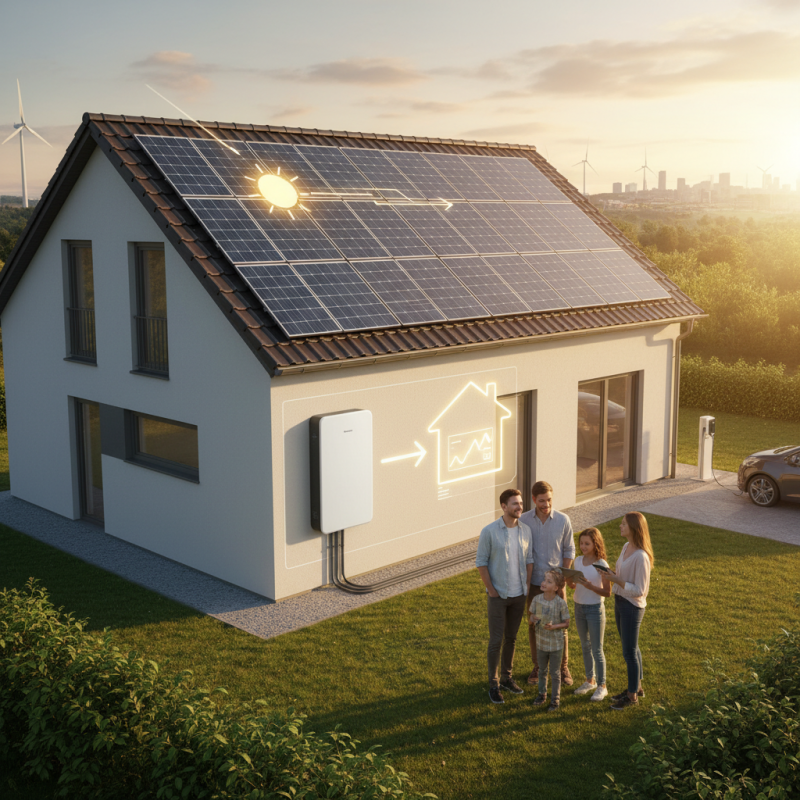
When considering solar energy storage, it's essential to grasp the basics. Solar energy systems can only generate power during sunlight hours. Therefore, storing excess energy for nighttime use is crucial. According to the International Renewable Energy Agency, energy storage solutions are projected to reach a market size of $95 billion by 2024. This indicates a growing demand for effective home storage solutions.
Selecting the right storage system involves understanding battery types. Lithium-ion batteries are popular due to their efficiency and lifespan, which averages around 10 years. However, lead-acid batteries, while cheaper, tend to have shorter life cycles and may require frequent replacements. Remember, the upfront cost isn’t the only factor to consider. Maintenance and replacement costs are just as critical.
Here are some tips to guide your choice:
- Assess your energy needs. Estimate daily usage to determine storage capacity.
- Research local incentives. Many utilities offer rebates for solar storage systems.
- Consider future growth. Will your family's needs change? Ensure your system can accommodate that.
Choosing the right solar storage solution can be overwhelming, but understanding the basics simplifies this process. Be aware of your options and the evolving market trends. Ensure your storage choice aligns with both your immediate needs and long-term goals.
How to Choose Solar Storage Solutions for Your Home? - Understanding Solar Energy Storage Basics
| Feature | Description | Importance |
| Battery Capacity | Measured in kWh, this determines how much energy the system can store. | High capacity allows for more energy use during non-sunny hours. |
| Cycle Life | The number of charge/discharge cycles the battery can handle before capacity diminishes significantly. | A longer cycle life indicates better longevity and lower replacement costs. |
| Efficiency | The ratio of energy stored to energy released, usually expressed as a percentage. | Higher efficiency means less energy waste. |
| Cost | Total cost for the battery system, including installation and maintenance. | A critical factor for budget considerations and ROI. |
| Warranty | The period during which the battery is guaranteed to function correctly. | A longer warranty often indicates higher quality and reliability. |
| Type of Battery | Lithium-ion, lead-acid, etc., each with distinct characteristics. | Different types affect performance, lifespan, and cost. |
Evaluating Your Home's Energy Needs and Usage Patterns
Understanding your home's energy needs is crucial when choosing solar storage solutions. Analyze your monthly electricity bills. Look for patterns in your usage. For example, the U.S. Energy Information Administration reports that residential power consumption averages about 877 kWh per month. This figure helps homeowners estimate storage capacity.
Consider peak usage times. Do you use more energy during the day or night? If most of your consumption happens after sunset, a larger storage solution is necessary. A study shows that 50% of homeowners misjudge their daily energy needs, leading to insufficient storage capacity. This can result in reliance on grid power during energy spikes, which may negate solar benefits.
Evaluate possible future changes in energy use. Planning for upgrades or new appliances can affect your storage needs. It’s wise to err on the side of caution but avoid over-investing. Balancing current requirements with potential growth is challenging. Ultimately, pay attention to your unique energy habits. Each household has distinct consumption patterns that influence the optimal storage solution.
Exploring Different Types of Solar Storage Systems
When considering solar storage solutions for your home, it’s crucial to explore various types. Battery storage systems are a popular choice. They efficiently store energy generated by solar panels. These batteries come in different capacities. The right size depends on your energy needs. Too small, and you might run out of power during peak hours. Too large, and you risk wasting energy.
Another option is pumped hydro storage. This method uses water reservoirs to store energy. When energy is available, water is pumped uphill. During high demand, the water flows down, generating electricity. This system is less common for individual homes but effective on a larger scale. Environmental factors can impact efficiency.
Lastly, consider thermal energy storage. It captures heat for later use. This might involve melting salts or using hot water tanks. It can store energy from both solar and non-solar sources. However, installation can be complex. Costs can also vary widely. Thinking about all these factors can make the choice overwhelming. Take your time to evaluate which solution fits your lifestyle best.
Comparative Analysis of Different Types of Solar Storage Solutions
Key Factors to Consider When Choosing a Solar Battery
When choosing solar storage solutions for your home, several key factors come into play. Battery capacity is crucial. It determines how much energy you can store for later use. Consider your household's energy needs. A larger battery may be necessary if you consume more electricity. Think about the types of appliances you use daily. They require different amounts of energy.
Another factor is battery lifespan. Solar batteries are an investment. Cheaper options may save money upfront but could fail sooner. This requires you to replace them more often. Additionally, pay attention to the depth of discharge. This indicates how much energy you can use from the battery without damage. Some batteries can discharge more deeply than others. This can affect their longevity.
Installation costs and maintenance are also critical. Some batteries need professional setup, adding to the cost. Others allow for DIY installation. Researching different models reveals that some require more upkeep. You must weigh the initial investment against long-term savings. It's essential to think about these factors deeply before making a decision. Each choice impacts your solar experience significantly.
Assessing Costs and Incentives for Solar Storage Solutions
When considering solar storage solutions, evaluating costs and incentives is critical. The initial investment can be significant. However, various financial incentives can ease this burden. Local and federal programs may provide tax credits. These credits can offset installation costs. Some regions offer rebates as well. Understanding these options can save you money over time.
Moreover, consider the long-term savings potential. By using stored energy, homeowners can reduce their electricity bills. This can be especially beneficial during peak hours. It’s important to analyze electricity rates in your area. Some people overlook this detail, leading to poor financial decisions. Conduct a cost-benefit analysis to understand the true value of the system.
Financing options also play a crucial role. Pay attention to interest rates and loan terms. Not all financing is created equal. Occasionally, contracts can have hidden fees. It's essential to read the fine print. Weigh the long-term costs against your immediate budget constraints. Taking your time to reflect on these points can lead to better choices.