How to Choose the Best Solar MPPT Controller for Your System?
As renewable energy adoption grows, selecting the right equipment is crucial. The Solar MPPT controller stands out as a vital component in solar energy systems. According to the Global Solar Energy Market Report, the solar energy sector is projected to reach $250 billion by 2025. This highlights the importance of efficient system components, specifically MPPT controllers.
MPPT, or Maximum Power Point Tracking, maximizes energy capture from solar panels. A quality Solar MPPT controller can improve overall system efficiency by up to 30%, ensuring optimal energy output. However, not all controllers are created equal, and some may lack necessary features. Inadequate performance can lead to losses that undermine the benefits of solar investment.
Many consumers fail to realize the impact of the right controller. Detailed comparisons of specifications, efficiency ratings, and user reviews are essential for informed decisions. Making a choice can be daunting, especially with so many options available. A thoughtless selection process may lead to operational setbacks. Reflecting on specific needs and system goals is critical for long-term satisfaction and performance.
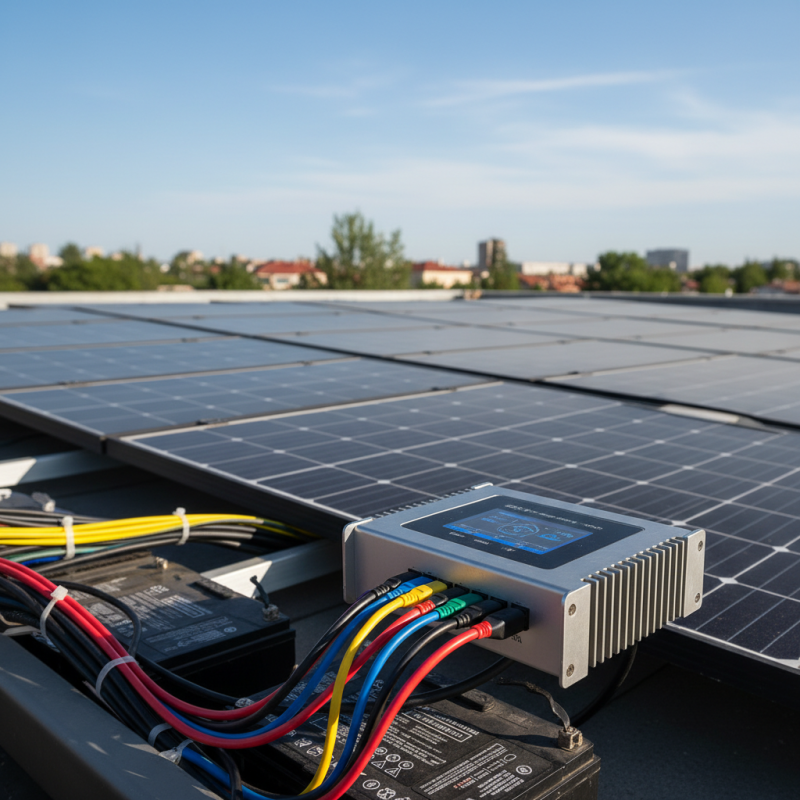
Understanding Solar MPPT Controllers: Key Functions and Benefits
Solar MPPT controllers are essential components in solar energy systems. They maximize energy harvest by adjusting the voltage and current from solar panels. This adjustment helps ensure that the solar output is at its peak. The key function is to optimize power delivery. When sunlight varies, the MPPT controller reacts quickly. It ensures that the batteries or loads receive the best possible energy flow.
One significant benefit of using an MPPT controller is increased efficiency. These controllers can enhance energy conversion rates by up to 30%. This extra energy can significantly benefit energy users. It's fascinating yet a bit concerning how some may underestimate the importance of this optimization. Think about how often energy waste occurs in our lives. By truly understanding your energy needs, you can capture more solar power effectively. However, some might overlook the specifications.
When selecting an MPPT controller, pay attention to its compatibility with your solar panels and batteries. The features may seem overwhelming. Not all controllers are the same. Some might maximize energy better than others. Consider the voltage range and the current handling capabilities. A simple mistake in these choices could lead to inefficiency. Reflecting on these details can lead to better choices and energy savings.
Evaluating Efficiency Ratings: Importance of MPPT Performance Metrics
When selecting a solar MPPT (Maximum Power Point Tracking) controller, assessing efficiency ratings is crucial. Efficiency metrics reveal how effectively the system converts solar energy into usable power. A reliable controller often showcases an efficiency rating between 95% and 98%. Lower efficiency impacts overall energy production, which can lead to significant losses, especially over time.
Recent industry reports suggest that subpar MPPT performance can reduce energy yield by up to 30%. This statistic underscores the importance of diligent evaluation. Pay attention to the Maximum Power Point Tracking efficiency under various conditions. Different environments can affect performance, so consider controller testing across temperature and sunlight variations.
It’s also important to evaluate the controller's efficiency at partial loads. A report highlighted controllers struggling to maintain efficiency below 30% load. This could be a warning sign. Not every controller adapts well to fluctuating energy demands. Ultimately, making informed decisions about MPPT performance will enhance your solar system's output and longevity.
Assessing System Compatibility: Voltage and Current Requirements
When selecting a solar MPPT controller, it is crucial to assess the compatibility of your system. Start by identifying your system's voltage requirements. This includes considering both the battery and the solar panel voltage. Incompatible voltages can lead to inefficient charging or, worse, damage to your equipment. Ideally, the controller's input voltage range should match or exceed the maximum voltage produced by your solar panels.
Next, evaluate the current requirements for your system. Calculate the total amperage produced by your solar panels. This total must align with the current handling capacity of the MPPT controller. If your panels produce too much current, the controller may overheat or fail. On the other hand, a controller with a lower current rating might not efficiently harness the available energy.
It’s not just numbers. Sometimes, installation issues arise that complicate compatibility. Wiring loss and connection quality can affect performance. Ensure connections are clean and secure. Reflect on your system's needs carefully. Sometimes, the best choice isn't the most popular one; it's the one that fits your unique setup. Take the time to analyze all these factors thoroughly.
Comparing Features: Advanced Functions of Top MPPT Controllers
When choosing a solar MPPT controller, examining advanced features is essential. These features can greatly impact your solar system's efficiency. Look for options that include maximum power point tracking. This helps achieve higher energy conversion. Real-time monitoring is another key function. This allows you to track performance and make adjustments.
Consider controllers that have built-in protection features. Overvoltage and overheating protections can prevent damage. Some controllers also offer automatic reconnection after a fault. This could save time during maintenance. Another advanced function is remote monitoring through apps or web platforms. It provides convenience and peace of mind.
However, not all advanced features are necessary. Some users might find certain functions overwhelming. For example, a user-friendly interface is crucial. If complicated, it might lead to errors in operation. Always reflect on what features matter most to you. A more expensive model isn't always better if it lacks what you need.
Comparison of Key Features in Solar MPPT Controllers
Budgeting for Solar Solutions: Cost vs. Performance Analysis
Budgeting for solar solutions involves a careful balance between cost and performance. According to a recent industry report, the efficiency of solar MPPT controllers can significantly affect overall energy output. Controllers with lower efficiencies may save money upfront but can lead to higher long-term costs due to lost energy. It's crucial to examine this balance carefully.
Performance varies widely. High-quality MPPT controllers can reach efficiency levels above 98%. In contrast, cheaper options might only offer around 80% efficiency. This discrepancy can translate into thousands of dollars over a system's lifespan. Investing in a more efficient controller pays off over time, making budgeting a vital consideration.
However, the upfront costs are always tempting. Lower-priced models are appealing for immediate savings, yet they often fall short during peak performance days. It’s essential to consider how these choices impact energy generation. A focus solely on initial price may lead to regrets in performance and higher energy bills later. Reflecting on these factors helps in making informed choices.